
TEAM Nagoya
🥈 SECONDO CLASSIFICATO TEAM “Nagoya” Carlos Burgos Tartera, Zhanat Argimbayeva, Giovanni Gallerani Where could it sprout? Finding our ethnobotanical heritage.
Data:
16 Giugno 2026
🥈 SECONDO CLASSIFICATO
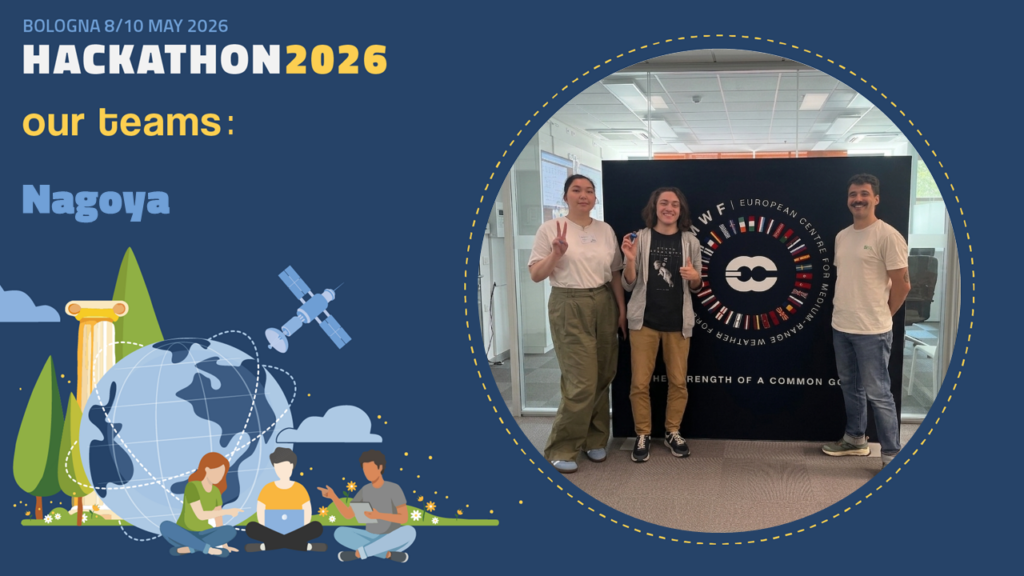
Diapositiva7
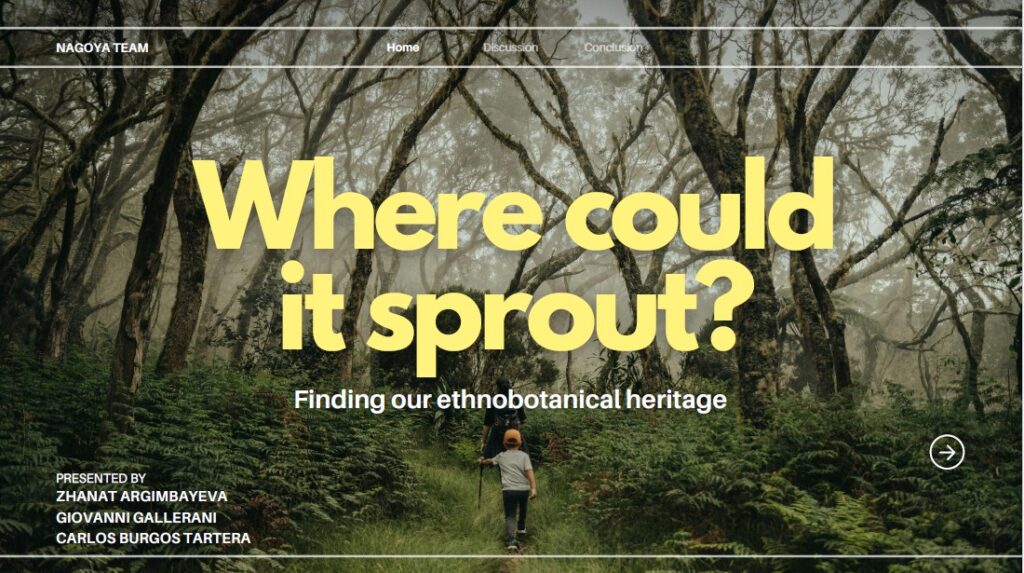
TEAM “Nagoya” Carlos Burgos Tartera, Zhanat Argimbayeva, Giovanni Gallerani
Where could it sprout?
Finding our ethnobotanical heritage.
8. Nagoya
Abstract:
Ethnobotany is the study of the relationships between humans and plants, encompassing their etymology, traditional uses, cultivation, and harvesting practices. While ethnobotanical research has extensively explored Indigenous communities—whose cosmologies and close relationships with the natural environment preserve deep ecological knowledge—in Europe, processes of modernization and culturaldiscontinuity have caused much of this traditional knowledge to fade. Foraging practices once formed the foundation of local diets and common pharmacopeias, playing a vital role in food security, health, and community resilience.
Today, climate change is further threatening this botanical heritage. Risingtemperatures, shifting weather patterns, soil degradation, and biodiversity loss are directly affecting the distribution and availability of endemic and wild plant species across Europe. These environmental pressures make the preservation and revitalization of ethnobotanical knowledge increasingly urgent.
Through the use of the Copernicus Climate Change Service (C3S), it is possible to map, monitor, and forecast key environmental variables such as temperature and relative humidity across Europe. Combined with additional datasets from Copernicus and SoilGrids, including elevation and soil composition data, these tools can provide adetailed understanding of the ecological conditions required by different plant species.
By integrating a database containing more than 200 ethnobotanically relevant plantspecies, the system could identify and monitor the regions where these plants are most likely to thrive, enabling easier discovery, conservation, and sustainable harvesting.
The potential applications of this solution encompass biodiversity conservation, climate adaptation planning, sustainable foraging, educational initiatives, and the preservation of cultural heritage. It could support researchers, local communities, environmental organizations, and policymakers in protecting vulnerable ecosystems while reconnecting contemporary societies with traditional ecological knowledge.
Moreover, by making this information accessible through interactive mapping and forecasting tools, the project could foster greater public awareness of Europe’s botanical heritage and encourage more sustainable relationships between people and their environments.
Ultimo aggiornamento
8 Giugno 2026, 12:07